
The Tutankhamun tomb (KV62) is the most famous burial in the Valley of the Kings, and this guide explains what is inside and whether the Tutankhamun tomb is worth visiting.
The tomb of Tutankhamun (KV62) is the most famous hole in the ground on earth — and one of the smallest tombs in the Valley of the Kings. Is the extra ticket worth it? Here is exactly what you see inside, why the tomb matters, and how to decide.
Quick Answer: Tutankhamun’s tomb in the Valley of the Kings requires a separate ticket beyond the standard valley entry. Inside is a single decorated burial chamber viewed from a platform, the king’s sarcophagus, and — most powerfully — his mummy, resting in the tomb where Howard Carter found it in 1922. The visit takes 10–15 minutes.
- Small and lightly decorated compared with the great Ramesside tombs.
- The draw is presence, not scale: the boy king lies where he was found.
- The famous treasures are not here — they belong to the museum collections in Cairo.
Table of Contents
Why the Smallest Tomb Is the Most Famous
Tutankhamun died around 18 or 19, too soon for a grand tomb, and was buried in a modest one — which is precisely why robbers overlooked it and Carter found it nearly intact. The discovery of November 1922, “wonderful things” glinting in candlelight, made KV62 the most famous archaeological find in history. The tomb you enter is the empty stage of that story — with its lead actor still present.
What You Actually See
A short descending corridor opens onto a viewing platform beside the burial chamber. The chamber walls carry golden-background scenes of the king’s funeral and his journey among the gods — modest in extent, vivid in effect. Below sits the quartzite sarcophagus, and to the side, in a climate-controlled case, the mummy of Tutankhamun himself. Most visitors are in and out within 15 minutes; many say the mummy made it unforgettable.
Worth It — For Whom?
| You are… | Verdict |
|---|---|
| First-timer moved by the discovery story | Yes — the presence is the point |
| Tomb-art maximalist | Spend the money on Ramses V/VI or Seti I instead |
| Traveling with kids who know “King Tut” | Yes — instant history connection |
| On the tightest budget | The standard three tombs deliver more art per pound |
Ticket prices change — check the current figure at the valley [verify current price]. For the alternatives, see our full Valley of the Kings guide and the Seti I tomb at the premium end.
Where Are the Treasures?
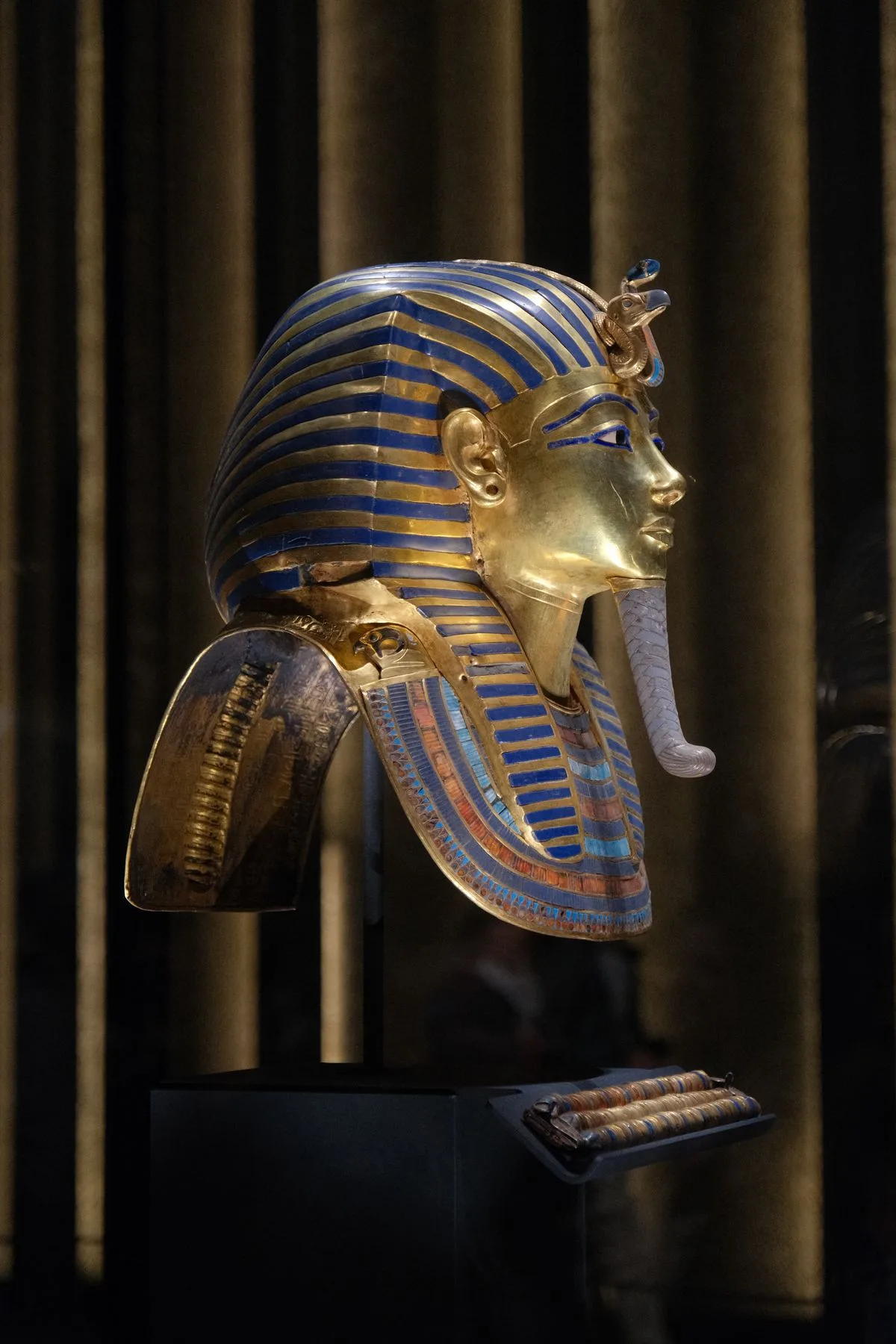
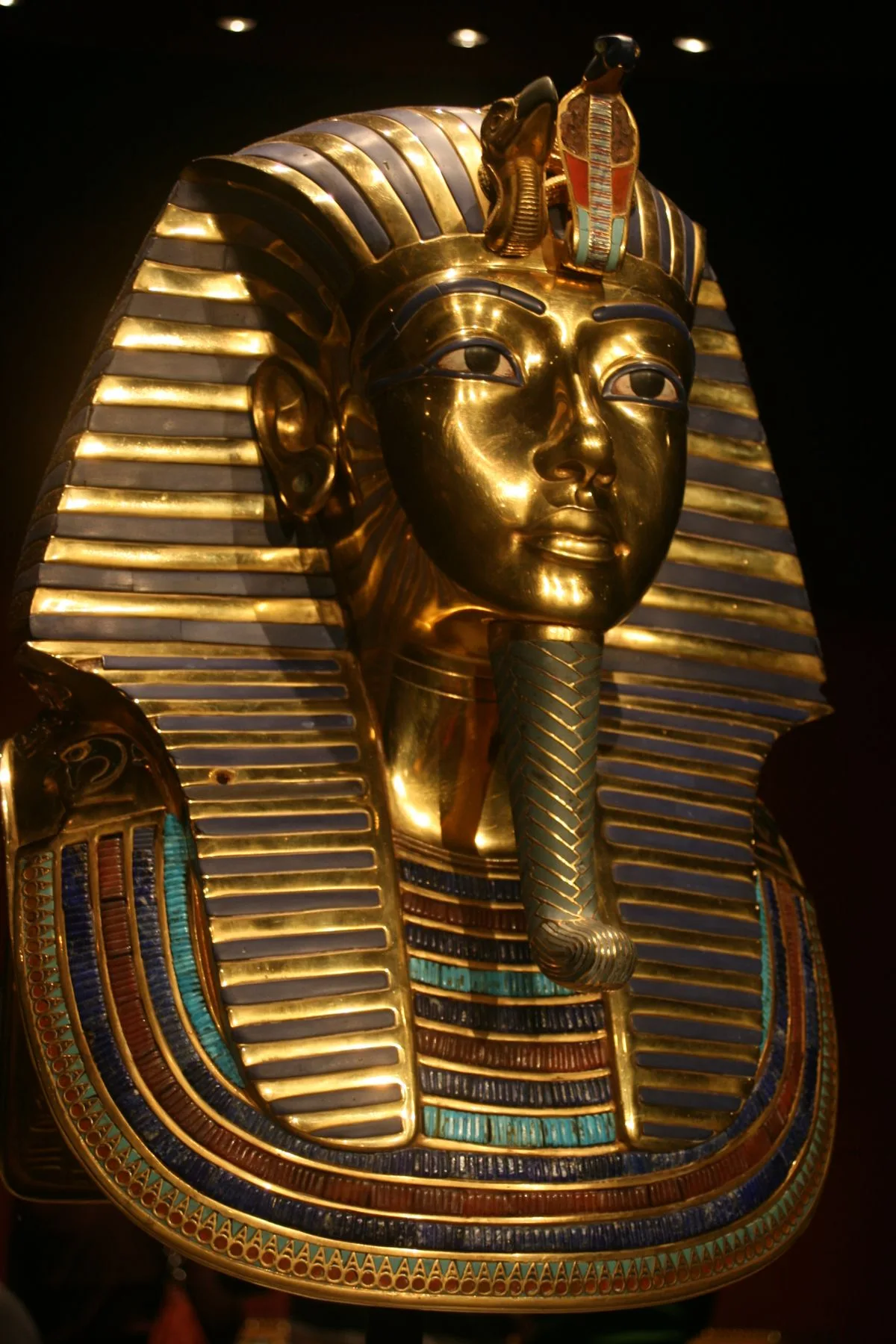
The gold mask and the tomb’s thousands of objects were moved to Cairo long ago and form the centerpiece of the Grand Egyptian Museum’s Tutankhamun galleries. The Luxor visit gives you the place and the person; Cairo gives you the things. Together — ideally via our 7-day Egypt itinerary — they complete the story.
Tutankhamun’s tomb lies in the Valley of the Kings, part of Ancient Thebes, a UNESCO World Heritage Site. Read the official entry at the UNESCO World Heritage Centre.
FAQs About Tutankhamun’s Tomb
Is Tutankhamun’s mummy really in the tomb?
Yes — he rests in KV62 in a climate-controlled case, the only pharaoh still lying in his own Valley of the Kings tomb.
How long does the visit take?
10–15 minutes; the tomb is a single chamber viewed from a platform.
Is the gold mask in the tomb?
No — the mask and treasures are displayed in Cairo. The tomb holds the sarcophagus and the king himself.
Why is there an extra ticket?
Conservation and crowd control for a very small space that everyone on earth wants to enter.
Can you photograph inside?
Photography rules in the valley change — confirm the current policy on site [verify current rules].
Deciding your tomb lineup? Our Egyptologists set it up daily — ask on WhatsApp or start with the Valley of the Kings private tour.
